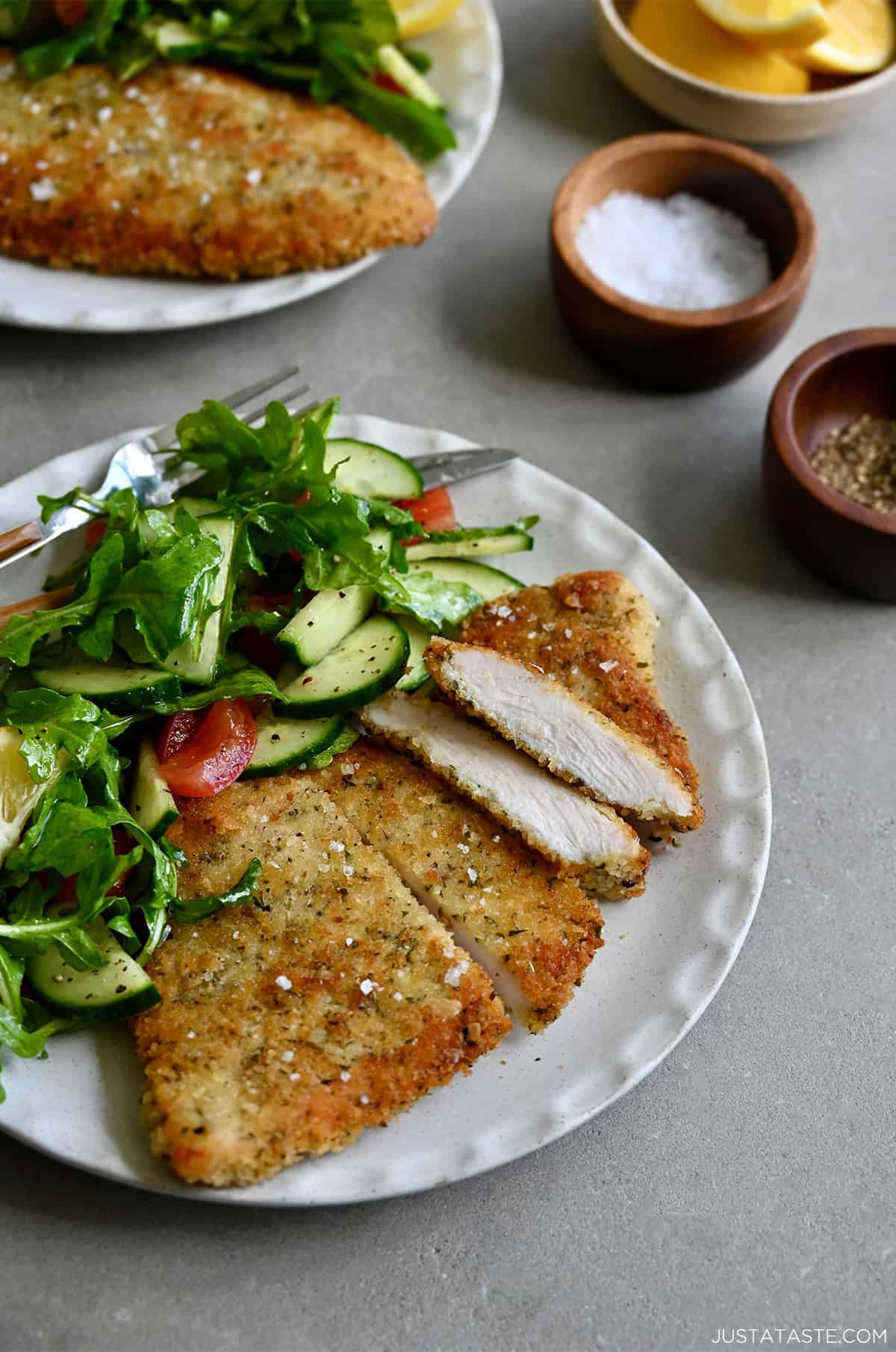
The Allure of the Perfect Chicken Schnitzel
There's something undeniably captivating about a perfectly crafted
chicken schnitzel. It's an iconic dish that transcends borders, celebrated from bustling German beer halls to family dinner tables worldwide. At its best, a chicken schnitzel delivers an exquisite sensory experience: a golden, audibly crispy exterior that gives way to succulent, tender, and juicy chicken within. It’s the ultimate comfort food, yet elegant enough for any occasion, proving that simple, everyday ingredients can create culinary magic. Whether you’re a seasoned home cook or just starting your culinary journey, mastering the art of the crispy chicken schnitzel is a truly rewarding endeavor. This article delves into the essential frying tips that will elevate your homemade schnitzel from good to absolutely unforgettable, ensuring that coveted crunch and perfectly cooked interior every single time. For a full step-by-step guide on preparing this delightful dish, explore our article on
Easy Chicken Schnitzel: Golden, Crispy, & Beginner-Friendly, and to learn more about its fascinating journey, check out
Chicken Schnitzel: Iconic Comfort Food with a Global Twist.
Preparation is Key: Setting the Stage for Crispiness
While the frying technique is paramount for a crispy finish, the preparation steps lay the critical groundwork. Neglecting these initial stages can undermine even the most expert frying efforts.
Pounding for Perfection
The very first step to an outstanding
chicken schnitzel involves transforming a regular chicken breast into a thin, even cutlet. This isn't just about making it look nice; it's fundamental to both texture and cooking efficiency. You'll want to pound your chicken breast to a uniform thickness of about ¼ inch. Place the chicken between two sheets of plastic wrap or in a freezer bag to prevent tearing and splattering. Use the flat side of a meat mallet or a heavy rolling pin, starting from the center and working outwards.
Why is this so crucial? First, pounding tenderizes the meat, breaking down tough muscle fibers to create that melt-in-your-mouth tenderness. Second, a consistent ¼-inch thickness ensures even cooking. Thicker spots would require longer cooking, leading to a burnt breading before the chicken is safely cooked through, while thinner spots might dry out. This uniformity guarantees that every bite of your
chicken schnitzel is cooked perfectly and consistently crispy.
The Breading Blueprint
The breading is the armor that protects the chicken's juiciness and creates that glorious crunch. The classic three-stage breading process is tried and true for a reason:
1.
Flour: A light dusting of all-purpose flour provides a dry surface for the egg to adhere to. Season your flour generously with salt, black pepper, and perhaps a touch of garlic powder or onion powder for an extra layer of flavor.
2.
Egg Wash: Whisked eggs (you can add a splash of milk or water) act as the glue. Ensure the entire surface of the floured chicken is coated, allowing any excess to drip off. This sticky layer is what makes the breadcrumbs cling. Consider adding a pinch of dried herbs like oregano or thyme to your egg wash for subtle aromatic notes.
3.
Panko Breadcrumbs: This is where the magic truly happens for crispiness. Panko breadcrumbs, a Japanese-style breadcrumb, are coarser and flakier than traditional breadcrumbs, resulting in a lighter, airier, and significantly crunchier crust. Press the chicken firmly into the Panko to ensure a thick, even coating. If you're using Parmesan cheese, blend it directly into your Panko for a savory, nutty undertone; otherwise, add a bit more Panko to compensate for the volume.
Properly breaded chicken schnitzel pieces should look uniformly coated, without any bare patches, ready to hit the hot oil.
Mastering the Fry: Essential Tips for Golden, Crispy Chicken Schnitzel
Frying can seem daunting, but with the right approach and a few key techniques, you'll be producing restaurant-quality
chicken schnitzel in no time.
Choosing Your Weapon: The Right Skillet and Oil
The foundation of successful shallow frying begins with your equipment. A
heavy-bottomed skillet is non-negotiable for frying chicken schnitzel (or any shallow-fried dish). Why? A thick base, typically found in cast iron, heavy-gauge stainless steel, or enameled cast iron, excels at retaining and distributing heat evenly. This prevents hot spots that can scorch your breading and ensures a consistent cooking temperature for the oil, which is absolutely vital for a non-greasy, uniformly crispy result.
Next, select the right oil. You need an oil with a high smoke point that can withstand the necessary frying temperatures without breaking down or imparting off-flavors. Excellent choices include canola oil, vegetable oil, grapeseed oil, or peanut oil. Avoid olive oil, which has a lower smoke point and will smoke and burn at these temperatures. You'll want to add enough oil to your skillet to come up about ½ to 1 inch, ensuring the schnitzel is partially submerged, allowing for even browning.
The Golden Rule of Temperature Control (350°F)
This is arguably the most critical factor for perfect
chicken schnitzel: maintaining the correct oil temperature. Your target temperature is approximately
350°F (175°C).
*
If the oil is too hot: The breading will brown and potentially burn almost instantly, long before the chicken inside has a chance to cook through to a safe internal temperature of 165°F (74°C). You'll end up with a dark, bitter crust and raw chicken.
*
If the oil is too cool: This is a common pitfall. Cold oil won't immediately crisp the breading; instead, the breadcrumbs will absorb too much oil, resulting in a greasy, soggy, and unappetizing crust. The chicken will also take longer to cook, further contributing to oil absorption.
The best way to monitor oil temperature reliably is with an
instant-read thermometer. It provides precise, real-time readings, allowing you to adjust your stove's heat as needed. If you don't have a thermometer, a rudimentary test involves dipping the end of a wooden spoon handle into the hot oil. If steady, small bubbles form around the wood, the oil is likely hot enough. However, for truly consistent results, a thermometer is an invaluable tool. Adjust your burner's heat between batches to bring the oil back to temperature.
The Art of Batch Frying
Patience is a virtue, especially when frying. One of the most common mistakes is overcrowding the skillet. While it might seem like a time-saver, attempting to fry too many pieces of
chicken schnitzel at once will have detrimental effects.
Overcrowding causes a significant and immediate drop in the oil's temperature. As we've learned, cool oil leads to soggy, greasy breading. When the oil temperature plummets, the crust won't crisp up properly, and the chicken will absorb more oil than it should, resulting in a heavy, less enjoyable dish. For most home skillets, this typically means frying only one piece of chicken schnitzel at a time, or at most, two if your pan is particularly spacious and you can maintain temperature. Always allow the oil to return to the ideal 350°F before adding the next piece. This meticulous approach ensures that each schnitzel receives the optimal frying conditions for a truly golden and crunchy finish.
Flipping and Finishing
Once your
chicken schnitzel is in the hot oil, let it fry undisturbed until the underside is a beautiful golden brown, usually 3-5 minutes per side, depending on thickness and oil temperature. Use tongs to carefully flip it, avoiding piercing the breading, which could release precious juices. Fry the second side until it, too, is golden brown and crispy.
To confirm doneness, especially if you’re new to frying, use your instant-read thermometer to check the internal temperature of the thickest part of the chicken; it should register 165°F (74°C). Once cooked, transfer the schnitzel immediately to a wire rack placed over a baking sheet lined with paper towels. The wire rack allows air to circulate underneath, preventing steam from building up and making the bottom soggy. Resist the urge to place them directly on paper towels, as this can trap steam. A sprinkle of flaky sea salt right after frying enhances both flavor and texture.
Beyond the Fry: Flavor Enhancements and Serving Suggestions
While the essential frying tips ensure a flawless texture, don't forget to elevate the overall experience with flavor. A classic
chicken schnitzel is often finished with a generous squeeze of fresh lemon juice immediately after frying. The bright acidity cuts through the richness of the fried chicken, adding a refreshing zest.
Beyond lemon, consider enhancing your breading mix with various spices. A pinch of smoked paprika can add a subtle depth and beautiful color, while garlic powder, onion powder, or a dash of cayenne pepper can introduce warmth and complexity. For serving, think beyond just the chicken. Traditional accompaniments include potato salad, creamy mashed potatoes, or a simple green salad with a light vinaigrette. For an extra touch, offer a side of lingonberry jam or a creamy dill sauce.
Conclusion
Mastering the art of crispy
chicken schnitzel is a journey that's incredibly rewarding. By understanding the importance of proper preparation, choosing the right equipment, and diligently controlling your frying temperature, you can consistently achieve that coveted golden, crunchy exterior and juicy, tender interior. Don’t let the idea of frying intimidate you; with these essential tips, you're well-equipped to transform simple chicken breasts into an iconic, mouthwatering dish that will impress family and friends alike. So, roll up your sleeves, grab your skillet, and prepare to delight in the unparalleled satisfaction of a perfectly homemade chicken schnitzel.